
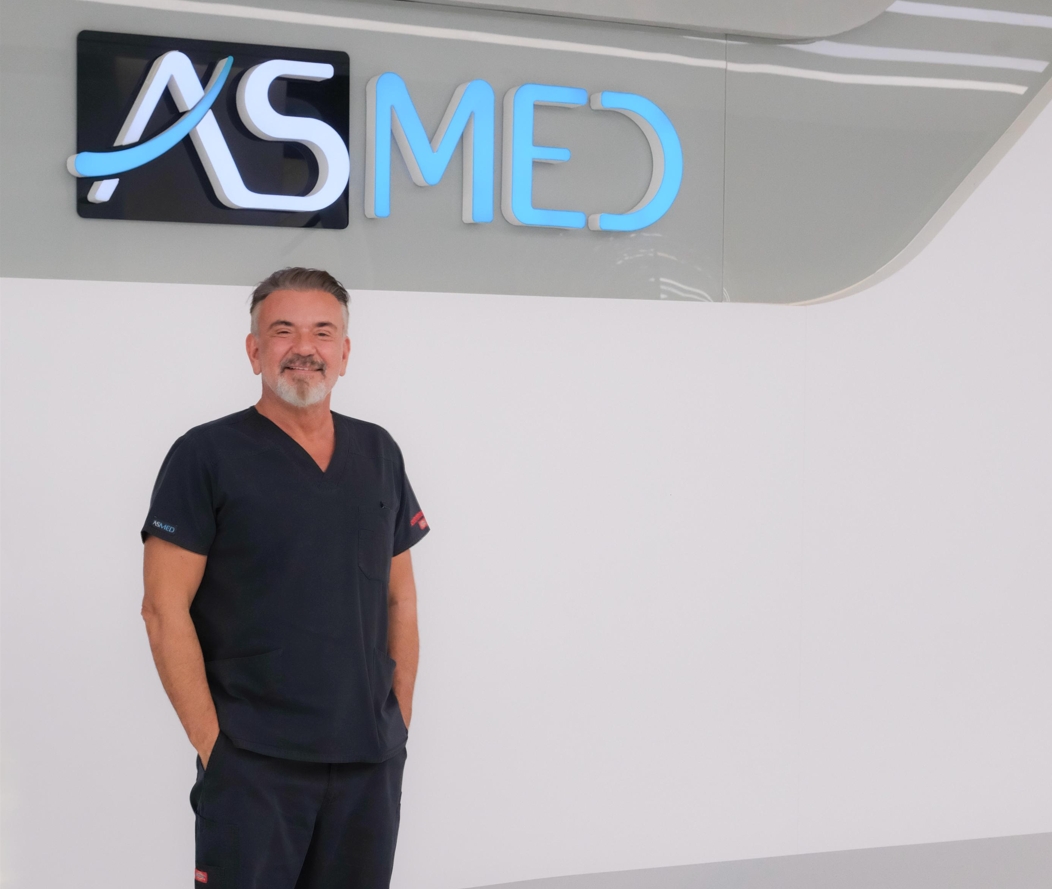
As global demand for female hair restoration reaches record levels, leading experts warn that women’s hair loss requires a far more delicate and specialized approach than men’s. Among them, internationally recognized hair transplant surgeon Dr. Koray Erdogan highlights a growing misconception: although more women are turning to surgery, not every case is suitable for transplantation.
Dr. Erdogan explains that women experience hair loss in highly diverse patterns — from diffuse thinning to hormonal shedding and trauma-related loss — making patient selection the single most critical step. “Not all women are ideal candidates for surgery,” he says. “The key is accurately identifying the type of hair loss. Some conditions respond exceptionally well to transplantation, while others require medical therapy instead.”
Precision and Expertise: Why Female Hair Transplants Are a Different Challenge
According to Dr. Erdogan, the best candidates include women with male-pattern thinning driven by genetic or hormonal factors, those with scarring alopecia from injuries or previous surgeries, female patients with stable localized thinning such as temple recession, and women seeking density enhancement rather than full reconstruction. He stresses that comprehensive diagnosis — including dermatoscopy, density analysis and a detailed medical history — is essential before determining whether surgery is appropriate.
Female hair transplantation, he adds, demands a higher degree of technical expertise. Many women opt for no-shave or minimal-shave FUE, a method that requires exceptional precision when harvesting through long hair. Surgeons must also preserve cosmetic density, design natural multidirectional hairlines and ensure postoperative signs remain discreet — factors that make female procedures significantly more complex.
Rising Demand and the Future of Female Hair Restoration
Global market analyses show that women now represent one of the fastest-growing patient groups in the hair restoration industry, with increasing numbers traveling to top clinics in Turkey and Europe. Social media awareness, wellness journalism and modern FUE and DHI technologies have accelerated this trend.
Motivations vary widely: chronic thinning, widening part lines, postpartum shedding, traction alopecia, genetically driven loss, eyebrow or temple restoration, and scarring from past procedures. Even minimal enhancements, Dr. Erdogan notes, can create striking improvements in appearance and confidence.
Looking ahead, he believes that advancing diagnostic tools and specialized female protocols will continue to make treatment safer and more accessible. “Our goal is to give women back not only their hair,” Dr. Erdogan says, “but also their confidence — in a way that respects both medical safety and aesthetic harmony.”
Media Contact
Company Name: ASMED
Contact Person: Eren Basagan
Email: Send Email
Country: Turkey
Website: https://www.hairtransplantfue.org/